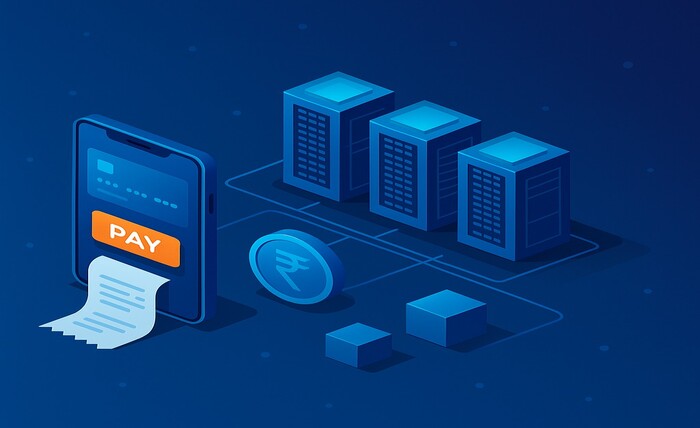
The 印度支付 System has undergone a massive transformation in recent years, becoming one of the world’s fastest, safest, and most advanced digital transaction ecosystems. From UPI to bank payments, wallets, QR codes, and automated settlements, businesses today depend heavily on the Indian Payment System to operate efficiently.
This guide explains everything businesses need to know about setup, compliance, and integration of the Indian Payment System—whether they run e-commerce stores, apps, retail shops, subscription services, or enterprise operations.
Introduction to the Indian Payment System
The Indian Payment System is not just a technological upgrade—it is a complete financial infrastructure designed to accelerate business growth. It supports millions of transactions every minute, covering:
- UPI transfers
- Mobile wallets
- Bank-to-bank payments
- QR code transactions
- Cards & POS systems
- Settlement networks
- Merchant payouts
Businesses that adopt the Indian Payment System gain access to instant payments, low costs, and strong security frameworks.
Why Businesses Need the Indian Payment System
The shift toward digital commerce has made seamless payment experiences essential. Customers expect smooth, instant, and secure digital flows—and the Indian Payment System delivers exactly that.
Key advantages for businesses:
- Faster checkout experiences
- Higher conversion rates
- Strong compliance and security
- Integration across all devices
- Automated financial workflows
- Reduced operational costs
Whether small startups or large enterprises, every business benefits from reliable Indian Payment System integration.
Components of the Indian Payment System
To fully understand setup and compliance, businesses must understand the core components of the Indian Payment System:
UPI (Unified Payments Interface)
The most powerful component of the Indian Payment System:
- Instant bank transfers
- QR support
- Subscription payments via UPI Autopay
- One-click approval
- Extremely low fees
UPI has revolutionized business payments with unmatched speed and reliability.
Wallet Payments
Wallets such as Paytm, PhonePe, Amazon Pay, and Mobikwik are widely used for:
- Microtransactions
- Fast checkout
- Cashback-driven marketing
- Recurring purchases
Wallets play a major role in the Indian Payment System for customer engagement.
Bank Transfers & Direct Debit
Direct bank processing includes:
- IMPS
- NEFT
- RTGS
- Auto-debit mandates
- Direct payouts
Businesses rely heavily on these tools for payroll, vendor settlements, and high-value transfers.
Card Payments & POS Infrastructure
The Indian Payment System also covers:
- Debit & credit card networks
- Swiping machines
- NFC tap payments
- Dynamic QR-based POS terminals
This ensures full omnichannel support for retail and physical businesses.
QR Payment Ecosystem
QR codes are a critical part of the Indian Payment System:
- Low cost
- No hardware required
- Universal compatibility
- Fast onboarding for new merchants
Every Indian business can accept payments instantly via QR.
Setting Up the Indian Payment System for a Business
Setting up the Indian Payment System involves several steps depending on business type, structure, and customer needs.
Below is a full breakdown of the setup process.
Step 1: Merchant Documentation
Businesses must complete KYC to activate Indian Payment System services.
Common requirements include:
- Business PAN
- GST certificate
- Bank account details
- Address proof
- Identity documents (Aadhaar, PAN)
- Website or app details (for online businesses)
- Compliance declarations
This ensures legal and secure activation of Indian Payment System accounts.
Step 2: Choosing Payment Methods
Businesses select the most suitable channels based on their model:
| Business Type | Best Indian Payment System Method |
| E-commerce | UPI, Cards, Wallets |
| Subscription Apps | UPI Autopay, e-mandates |
| Retail | QR, POS |
| Education | Bank transfers, UPI Pay links |
| Digital services | UPI, Wallets |
| Enterprise | Bank APIs, Direct Debit |
Choosing the right combination ensures friction-free payment experiences.
Step 3: Integrating Payment Gateway APIs
For online platforms, integration is essential.
The Indian Payment System supports:
- REST APIs
- SDK integrations
- Hosted checkout
- Payment links
- Native UPI deep linking
- QR code generation APIs
- Payout APIs for merchants
Developers can embed Indian Payment System flows into:
- Apps
- Websites
- SaaS platforms
- E-commerce stores
- Digital marketplaces
This ensures full automation and high-speed transactions.
Step 4: Activating Settlement Accounts
Businesses can choose from:
- T+0 instant settlement
- T+1 standard settlement
- Automated reconciliation reports
- Dashboard-based ledger views
These settlement options support cash-flow optimization.
Step 5: Testing Payments Before Going Live
A testing environment (sandbox) ensures that all Indian Payment System integrations work properly.
Developers test:
- Success/failure flows
- Refund mechanisms
- Callback URLs
- Webhooks
- Subscription renewal logs
- QR code generation
- Bank routing
This guarantees a smooth go-live experience.
Compliance Requirements in the Indian Payment System
Compliance is essential for security, legality, and operational stability. The Indian Payment System includes strict frameworks enforced by NPCI, RBI, and banking networks.
Here are the key compliance requirements:
KYC & Merchant Verification
All businesses must undergo merchant KYC to prevent fraud. This helps ensure that the Indian Payment System is safe for customers and compliant with national rules.
PCI DSS Compliance for Card Processing
Businesses handling card data must comply with:
- PCI DSS security standards
- Tokenization policies
- Secure card vault requirements
This ensures protected card transactions within the Indian Payment System.
Data Privacy & Encryption
Payment data must be encrypted using:
- AES protocols
- End-to-end encryption
- Secure hashing
- SSL certificates
This prevents unauthorized access and protects customer information.
Fraud Detection & Risk Management
The Indian Payment System supports advanced risk controls:
- AI-based fraud detection
- Transaction scoring
- Velocity checks
- Behavioral analytics
- Device fingerprinting
Businesses must monitor transactions regularly to ensure ongoing compliance.
RBI Guidelines for Digital Payments
Businesses must follow regulations regarding:
- Customer authentication
- Refund timelines
- Chargebacks
- Wallet usage limits
- Auto-debit rules
- Cross-border policy
Adhering to RBI rules ensures businesses remain compliant while using the Indian Payment System.
Integration of Wallet, UPI, and Bank Payments
Seamless integration is the heart of the Indian Payment System. Here’s how businesses connect each method:
Wallet Integration
Wallet API integration supports:
- Balance checks
- Cashback tracking
- Instant payments
- Tokenized user IDs
Wallets improve user engagement and payment speed.
UPI Integration
UPI offers multiple integration types:
- UPI Intent → App-based flows
- UPI Collect → Virtual payment addresses
- UPI QR → Offline payments
- UPI Autopay → Subscriptions
- UPI Deep Link → Fast checkout in apps
- UPI Recurring Mandate APIs
UPI is the strongest pillar of the Indian Payment System for businesses seeking instant approval rates.
Bank API Integration
Banks offer APIs for:
- Direct Debit
- IMPS/NEFT/RTGS
- Payouts
- Virtual accounts
- Reconciliation reports
- Auto settlement
This supports high-volume enterprise operations.
Real-World Use Cases of the Indian Payment System
Here are practical examples of how businesses use the Indian Payment System daily:
E-commerce Platforms
They use:
- UPI
- Wallets
- Cards
- Smart routing
- Instant refunds
- Settlement APIs
This increases conversions and reduces cart abandonment.
Subscription Apps
UPI Autopay + e-mandates ensure:
- Smooth recurring billing
- Reduced payment failures
- Automated renewals
Perfect for OTT platforms, SaaS apps, and digital memberships.
Retail Shops
Retailers depend on:
- UPI QR
- POS devices
- Digital receipts
- Quick settlements
This improves checkout speed and reduces cash dependency.
Logistics & Delivery Platforms
They require:
- Fast customer payments
- Instant courier payouts
- Real-time reconciliation
- Automated refunds
The Indian Payment System supports high transaction volume environments.
Enterprise Businesses
Large companies use:
- Bank APIs
- Payroll automation
- Vendor payouts
- ERP payment integration
The Indian Payment System helps them manage large-scale financial operations.
Technology Behind the Indian Payment System
The Indian Payment System uses advanced technologies such as:
- Cloud infrastructure
- Microservices architecture
- AI-based routing
- Tokenization
- Big data analytics
- API orchestration
- Real-time settlement engines
This ensures high performance and excellent reliability.
Future of the Indian Payment System
New trends shaping the future include:
- Digital Rupee (e-INR)
- Voice-based biometric payments
- NFC & tap-to-phone support
- Global expansion of UPI
- AI-driven risk engines
- Unified QR 3.0
- Smart auto-settlement bots
Businesses that adopt early will remain ahead of competitors.
Conclusion
The 印度支付 System is one of the most powerful financial ecosystems in the world. With seamless setup, strict compliance, and advanced integration options, it empowers businesses to accept payments faster, safer, and more efficiently across every channel.
Modern businesses rely on the Indian Payment System for:
- UPI speed
- Wallet engagement
- Bank reliability
- QR simplicity
- Automated settlements
- API automation
- Secure compliance
Whether you operate online, offline, or across both channels, integrating the Indian Payment System positions your business for long-term digital success.